Animal Flow Basics: What It Actually Trains That Regular Strength Work Doesn't
Quick Answer: Animal Flow-style ground movement trains multi-planar mobility, contralateral coordination (opposite arm/leg patterns), and loaded joint mobility under bodyweight — qualities that isolated strength exercises like squats or presses generally don’t address directly.
Bear crawls and ape-style movements look like a warm-up gimmick until you actually try to flow through a sequence smoothly. What feels playful is quietly training coordination most gym routines never touch.

What is Animal Flow actually training?
Ground-based flow movement trains multi-planar mobility — moving through combinations of flexion, rotation, and lateral shift simultaneously, rather than the single-plane movement most strength exercises use (a squat is purely sagittal-plane, for example).
It also heavily trains contralateral coordination, the opposite-arm-opposite-leg pattern used in crawling, walking, and running — a foundational movement pattern that’s rarely directly challenged once we stop crawling as toddlers.
Why does loaded joint mobility matter here?
Unlike passive stretching, crawling and flow movements load your joints (wrists, shoulders, hips) through their range of motion under your own bodyweight, which builds strength and control at end-ranges that static stretching alone doesn’t develop.
This is particularly valuable for shoulder and hip health, since most strength training moves through a narrower, more controlled range than the deep, varied positions ground flow work demands.
What Nobody Tells You About Starting Animal Flow
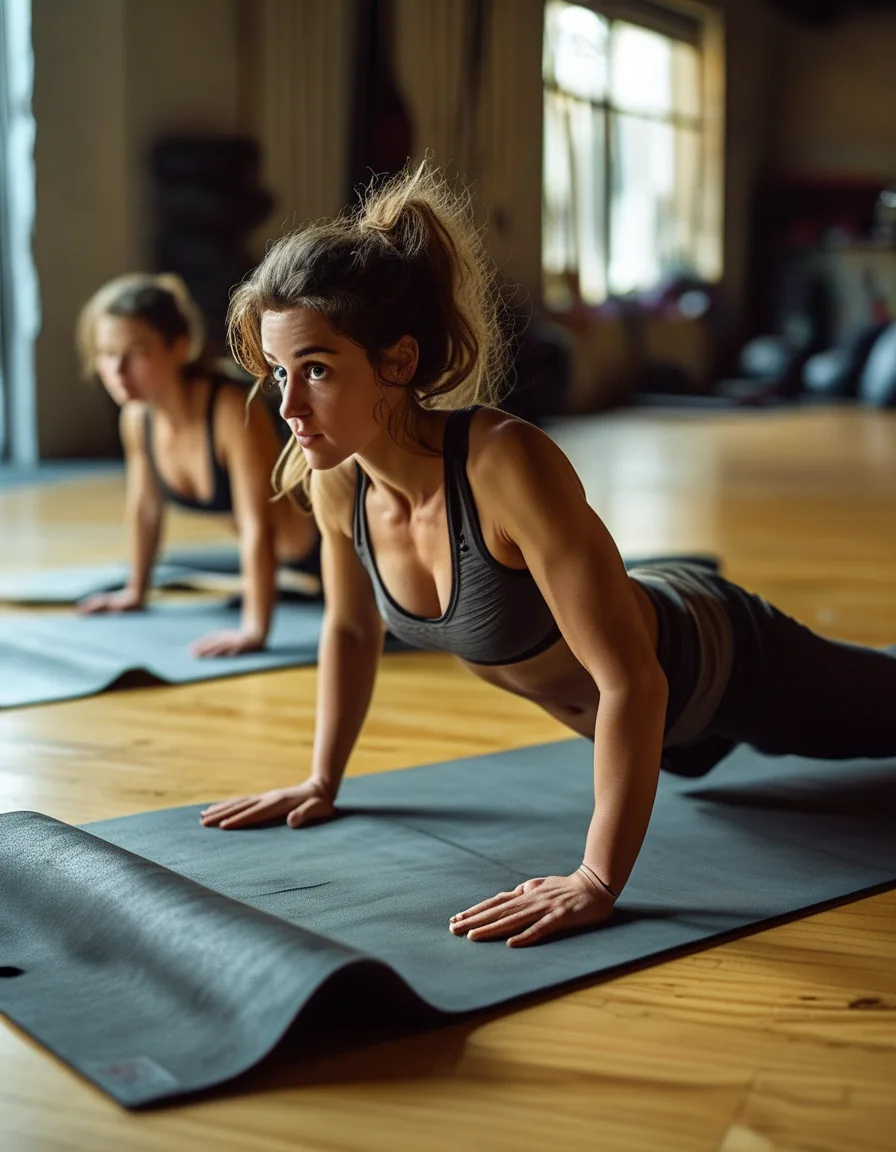
Here’s the part beginners don’t expect: your wrists will likely be the limiting factor before your strength is. Years of limited wrist-loading (most adults rarely bear weight through an extended wrist) mean this is often the first thing to fatigue or feel uncomfortable, not your shoulders or core.
Build wrist tolerance gradually with short sessions (5-10 minutes) before attempting longer flow sequences — pushing through wrist discomfort too early is the most common reason beginners quit this style of training.
FAQ: Animal Flow Questions, Answered
Do I need any equipment to start?
No — a mat or soft flooring is genuinely all you need, which makes it one of the more accessible training styles to try at home.
How does this compare to a regular mobility or stretching routine?
It’s complementary rather than a replacement — flow work builds active, loaded control through ranges, while static stretching builds passive flexibility. Most well-rounded programs benefit from both.
Is Animal Flow enough as a standalone workout?
It builds coordination, mobility, and some strength endurance well, but most people still benefit from dedicated strength training alongside it for building maximal strength and power.
TL;DR:
- Ground flow movement trains multi-planar mobility and contralateral coordination strength training skips
- Loaded joint mobility under bodyweight builds end-range control that static stretching doesn’t
- Wrist fatigue is usually the real limiting factor early on, not overall strength
- It complements strength training well but isn’t a full replacement for it
Try a 10-minute crawling and flow session before your next workout — expect your wrists to notice first.
Keep Reading
This article is for general informational and styling purposes only. Fit, sizing, and product availability may vary.